How to Stop Annoying Robocalls in Havaco, West Virginia

The Federal Communications Commission (FCC) and the Federal Trade Commission (FTC) in the United States established regulations that define the specific types of robocalls which are considered illegal. These kinds of rules mainly concentrate on shielding consumers from unwanted as well as deceptive phone calls which can lead to ripoffs, identity theft, or financial harm.

Unlawful Robocalls

Particular requirements and restrictions with regard to outlawed robocalls involve:

1. Calling numbers on the National Do Not Call Registry: Businesses or individuals are prohibited from making robocalls to numbers on the National Do Not Call Registry, except in cases where they have obtained express agreement from the recipient.

2. Caller ID Spoofing: It is actually illegal for robocallers to use misleading or erroneous caller ID info to trick people in regards to the origin of the telephone call.

3. Unrequested pre-recorded telemarketing calls: Robocalls marketing services or goods but without the recipient’s prior permission are deemed unlawful.

4. Health and financial-related scam telephone calls: Robocalls that may trick potential clients about their medical health insurance, Medicare features, or offer you phony business business opportunities also are disallowed.

Instances of widespread banned robocall routines experienced by persons in Havaco, West Virginia can include:

1. Telephone calls making a claim to be from the Internal Revenue Service demanding speedy settlement or making threats of legal action.

2. Robocalls offering bogus health care insurance plans or Medicare services.

3. Calls marketing deceptive products or services making use of high-pressure sales tactics.

Legal penalties for companies or individuals determined to be in violation of these regulations can include fines, penalties, or civil suits filed via the FCC or FTC. Sometimes, criminal charges could also be initiated when it comes to particularly egregious wrong doing.

Protect Yourself in Havaco, West Virginia

To safeguard yourself in Havaco, West Virginia from prohibited robocalls, you could take the next actions:

1. Register your telephone numbers on the National Do Not Call Registry.

2. Make use of call-blocking resources or programs offered by your phone service.

3. Be careful of unfamiliar telephone numbers and avoid answering or speaking with suspicious telephone calls.

4. Report unlawful robocalls to the FCC or FTC making use of their online grievance portals.

5. Utilize a telephone that routinely screens out robocalls but will allow real human telephone calls to ring your phone.

For even more about getting rid of robocalls coming from landline phones be sure to watch this video for precise requirements.

How to Stop Annoying Robocalls Review

You can also use information such as the FCC’s Consumer Help Center as well as the FTC’s Consumer Information page for additional information on the way to recognize and complain about illegitimate robocall activity. Simply by staying up to date and also implementing active measures, you can help to eliminate the risk of suffering financial loss from banned robocall scams.


Can Robocalls be Stopped in Stockton, Iowa

In the United States, the Federal Communications Commission (FCC) and the Federal Trade Commission (FTC) established regulations that define the specific types of robocalls that are considered unlawful. These rules mostly concentrate on protecting the general public from undesirable as well as deceitful phone calls that can trigger scams, identity theft, or economic hurt.

Illegal Robocalls

Distinct requirements and guidelines with regard to outlawed robocalls involve:

1. Calling numbers on the National Do Not Call Registry: Companies or individuals are prohibited from initiating robocalls to numbers listed on the National Do Not Call Registry, except in cases where they have received express agreement from the individual.

2. Caller ID Spoofing: It is unlawful for robocallers to utilize misleading or incorrect caller ID information to deceive consumers concerning the source of the phone call.

3. Unrequested pre-recorded telemarketing calls: Robocalls offering services or goods without the recipient’s prior permission are deemed illegal.

4. Health and financial-related scam calls: Robocalls that fool potential clients regarding their health insurance, Medicare features, or offer phony financial opportunities are additionally disallowed.

Examples of well-known outlawed robocall practices experienced by persons in Stockton, Iowa include things like:

1. Calls making claims to be from the IRS asking for instant payment or making threats of litigation.

2. Robocalls recommending phony medical insurance plans or Medicare services.

3. Calls marketing fraudulent products or services using high-pressure marketing tactics.

Legal penalties for businesses or an individual determined to be in breach of those laws and regulations may include fines, penalties, or civil suits submitted by the FCC or FTC. In some cases, criminal lawsuits may also be initiated for particularly egregious violations.

Protect Yourself in Stockton, Iowa

To protect yourself in Stockton, Iowa from banned robocalls, you can take these types of steps:

1. Register your telephone numbers on the National Do Not Call Registry.

2. Take advantage of call-blocking tools or programs offered by your phone service.

3. Be cautious of unfamiliar phone numbers and avoid answering or conversing with suspect calls.

4. Report outlawed robocalls to the FCC or FTC employing their online grievance sites.

5. Start using a landline phone that successfully hangs up on robocalls but allows real human telephone calls to ring your telephone.

To get more on the subject of getting rid of robocalls coming from home telephones please watch this video for particular requirements.

Can Robocalls be Stopped Overview

You also can make the most of resources such as the FCC’s Consumer Help Center and also the FTC’s Consumer Information web page for more information on the way to recognize and complain about unlawful robocall activity. By simply keeping yourself up to date and also taking proactive precautions, you can reduce the chance of suffering financial loss from banned robocall tricks.

Can Robocalls be Stopped in Virginville, Pennsylvania

The Federal Communications Commission (FCC) and the Federal Trade Commission (FTC) in the United States established rules that establish which kinds of robocalls that are considered illegal. These regulations primarily center on guarding individuals from unwanted as well as deceitful telephone calls which may result in swindles, identity theft, or financial injury.

Banned Robocalls

Specific standards and rules for illegitimate robocalls include things like:

1. Calling numbers on the National Do Not Call Registry: Organizations or humans are prohibited from generating robocalls to numbers on the National Do Not Call Registry, except in cases where they have obtained specific consent from the individual.

2. Caller ID Spoofing: It is actually unlawful for robocallers to utilize misleading or erroneous caller ID details to trick consumers about the source of the phone call.

3. Unsolicited pre-recorded telemarketing calls: Robocalls promoting services or goods without the recipient’s prior approval are deemed illegal.

4. Health and financial-related fraudulent calls: Robocalls that fool potential customers about their health insurance, Medicare features, or offer you phony financial opportunities are additionally prohibited.

Instances of frequent illegal robocall practices experienced by people in Virginville, Pennsylvania incorporate:

1. Telephone calls making a claim to be from the Internal Revenue Service demanding prompt settlement or making threats of legal proceedings.

2. Robocalls offering phony medical insurance plans or Medicare services.

3. Calls promoting fraudulent products or services using high-pressure sales practices.

Legal consequences for corporations or even an individual determined to be in breach of these laws can include fines, penalties, or civil suits submitted by the FCC or FTC. In some instances, criminal charges might also be initiated when it comes to particularly egregious wrong doing.

Safeguard Your Family in Virginville, Pennsylvania

To safeguard yourself in Virginville, Pennsylvania from prohibited robocalls, you may take these kinds of simple steps:

1. Register your phone numbers on the National Do Not Call Registry.

2. Start using call-blocking tools or programs provided by your phone service.

3. Be careful of unknown numbers and avoid answering or communicating with suspicious calls.

4. Report illegitimate robocalls to the FCC or FTC using their online grievance sites.

5. Start using a telephone that easily screens out robocalls but permits human phone calls to ring your landline phone.

For more on ridding yourself of robocalls from home phones be sure to enjoy this video to get particular requirements.

Can Robocalls be Stopped Review

Consumers could also make use of information like the FCC’s Consumer Help Center and the FTC’s Consumer Information page for additional information on how best to recognize and report unlawful robocall activity. Simply by staying well informed plus taking hands-on precautions, you can reduce the chance of falling victim to prohibited robocall tricks.

How to Stop Annoying Robocalls in Rhodes Point, Maryland

The Federal Communications Commission (FCC) and the Federal Trade Commission (FTC) in the United States have established restrictions that define the specific sorts of robocalls that are considered illegal. These regulations primarily concentrate on shielding individuals from unwelcome as well as deceptive calls that could lead to ripoffs, identity theft, or economic injury.

Illegal Robocalls

Distinct requirements and rules with regard to unlawful robocalls include things like:

1. Calling numbers on the National Do Not Call Registry: Organizations or individuals are prohibited from generating robocalls to numbers listed on the National Do Not Call Registry, except in cases where they have obtained specific consent from the recipient.

2. Caller ID Spoofing: It is actually illegal for robocallers to use misleading or erroneous caller ID details to fool people in regards to the source of the telephone call.

3. Unrequested pre-recorded telemarketing calls: Robocalls marketing services or goods but without the recipient’s prior consent are deemed illegal.

4. Health and financial-related scam calls: Robocalls that trick potential clients about their health insurance, Medicare features, or supply you with bogus business business opportunities also are disallowed.

Instances of frequent illegitimate robocall tactics experienced by people in Rhodes Point, Maryland incorporate:

1. Phone calls making claims to be from the Internal Revenue Service asking for speedy payment or making threats of litigation.

2. Robocalls recommending phony health care insurance plans or Medicare services.

3. Calls promoting deceitful products or services employing high-pressure sales practices.

Legal consequences for businesses or individuals determined to be in breach of these regulations can include fines, penalties, or even civil suits submitted by the FCC or FTC. In some cases, criminal lawsuits might also be pursued with regards to exceptionally egregious violations.

Shield Your Family in Rhodes Point, Maryland

To protect yourself in Rhodes Point, Maryland from illegal robocalls, you can take these types of measures:

1. Register your telephone numbers on the National Do Not Call Registry.

2. Use call-blocking tools or applications offered by your phone services provider.

3. Be careful of unfamiliar telephone numbers and avoid answering or speaking with dubious telephone calls.

4. Report illegal robocalls to the FCC or FTC using their online grievance portals.

5. Make use of a phone that automatically eliminates robocalls but allows human telephone calls to ring your phone.

For more on ridding yourself of robocalls coming from landline phones be sure to watch the following video recording for particular details.

How to Stop Annoying Robocalls Overview

You could also use information like the FCC’s Consumer Help Center and the FTC’s Consumer Information webpage to find out more on the best way to recognize and complain about illegal robocall activity. By remaining informed plus implementing proactive actions, you can reduce the risk of being taken in by illegitimate robocall tricks.

Best Robocall Blocker for Landlines

I was getting 40 or more robocalls per day on my landline phone. As a senior citizen I got all the robocalls you get, plus all the marketing calls directed at seniors.

Day by day, my frustration grew. These robocalls were relentless.

Morning, noon, and evening the calls kept coming. Sometimes every 5 minutes a robocaller would interrupt the work I was doing on the computer.

If you are bother by nerverending robocalls, I can sympathize with you.

What would you do?

My initial solution was to unplug my phone. That gave me peace, but at the cost of missing one or two real calls per day.

CPR Call Blocker

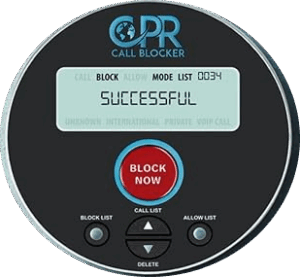
Next, I ordered a CPR Call Blocker. It’s got the big red “BLOCK NOW” button that records the phone number of the current caller. It prevents calls from these remembered numbers from ringing your phone.

Much to my surprise it did little or nothing to stem the tide of the robocall marathon.

I pressed the red button on every robocall I got. Time after time! I blocked one number after another.

Then I discovered the problem. It’s why the CPR Call Blocker cannot possibly work.

The problem is Caller ID “spoofing.” Robocaller software picks a different phone number to be their Caller ID number each time it starts calling a series of numbers.

Usually the fake, or spoofed, Caller ID phone number is the same area code as the phone it’s calling. So, the call is not blocked and you are bothered yet again!

The Best Robocall Blocker for Landlines at Last!

Robocalls start out with a computer voice making a general statement and asking a question like, “How are you today?” If the answer is unimportant to the purpose of the call, the computer pauses for a few seconds to allow you to answer. Then it goes on with its message.

Once it gets to a qualifying question it may let a speech recognition software decode your answer, then either hang up or pass you on to a human.

The key is, the robocall cannot respond to what your say.

What I needed was a “secretary” to answer my phone and see if the call was a real call from a human or another unwanted robocall from a computer.

So, I looked for an automated “secretary” that would tell the caller to do something in order for the call to be completed, making my phone ring.

I emailed the CPR Call Blocker folks to see if they had anything like this. And, they didn’t.

So, I searched everywhere I could think of to locate a device that would answer the phone call and request the caller to do something, like enter a number on their dialpad in order for the call to get through.

I searched for a while until I discovered the best robocall blocker for lanklines which completely eliminated all robocalls.

The only call I get now are from real, live, humans.

Watch the following video to see the best robocall blocker for landlines you could imagine. It’s simple to use and works 100% of the time.


How to Stop Robocalls on Landline Phones

Robocalls are becoming an increasing nusicense as technology makes is easier for marketers to place these annoying calls.   Also, because it’s so easy and cheap to make calls from overseas, many of these robocalls originate from abroad where marketers do not abide by federal regulations. So, what can you do to reduce this invasive  intrusion into your home?

Stop Robocalls on Landline Phones

To reduce or eliminate robocalls on a landline phones, start by registering your number with the National Do‑Not‑Call Registry (or the equivalent in your country). This will block most legitimate telemarketers, though scammers may still slip through.

Next, contact your phone company and ask about any call‑blocking or robocall‑filter services they offer—many carriers provide free or low‑cost add‑ons.

If your landline supports it, enable built‑in screening features such as “Do Not Disturb” or “Call Screening” by dialing the appropriate code (often *77 or *78) or through your provider’s settings.

For an extra layer of protection, consider a hardware call‑blocking device that plugs between the wall jack and your phone; these devices use frequency filtering and caller‑ID checks to screen unwanted calls. I

f you continue to receive robocalls, report them to the relevant authorities—such as the FTC in the U.S. or your local consumer protection agency—to help shut down scam operations.

Use a phone with the “automated call block” feature. It allows you to recorde a welcome message that request callers to enter a number on their keypad to connect the call (which makes the phone ring). Automated robocaller bots cannot do this, so the calls are dropped before your phone rings.

Finally, keep any VoIP or smart landline firmware up to date, as updates may improve call‑filtering algorithms, and educate family members to avoid answering unknown numbers, which reduces the data scammers can gather.


The Psychological Effect of Robocalls on the Average Person

Robocalls—those automated, often unsolicited phone messages—have become a ubiquitous nuisance in modern life. While many people dismiss them as mere annoyances, the psychological impact on the average person is far more profound. Below, we explore how robocalls affect mental well-being, trust, and daily functioning, and offer practical strategies to mitigate their effects.

Robocalls are delivered via automated dialing systems that can reach thousands of phone numbers in minutes. The sheer volume and speed of these calls make them difficult to block or filter, especially for older adults or those with limited tech literacy.

The number of calls per person per year is approximately 1,200 according to the FCC. The percentage of all calls that are robocalls is nearly 70% as reporte by the FCC.  Pew Research estimates that the average person wastess about 3 minutes of time for each call.

These numbers illustrate that robocalls are not a fringe phenomenon—they’re a daily nusicence for most Americans. And, for many, they are more than a simple nusicense, and have lasting negative psychological effects.


1. Anxiety and Hypervigilance

  • Constant Alertness: Even after a call ends, the mind remains on high alert, anticipating the next intrusion. This state of hypervigilance can elevate cortisol levels, leading to chronic stress.
  • Fear of Missing Out (FOMO): Some callers claim to offer “limited‑time” deals or “urgent” information. The fear of missing a valuable opportunity can trigger anxiety, especially in individuals who are already prone to worry.

2. Erosion of Trust

  • Suspicion of Legitimate Calls: Repeated robocalls blur the line between legitimate and fraudulent communications. People may become skeptical of any phone call, even from trusted contacts, which can strain personal and professional relationships.
  • Loss of Confidence in Technology: As robocalls often use spoofed numbers, users may feel that their own devices are compromised, undermining confidence in digital tools they rely on daily.

3. Cognitive Load and Decision Fatigue

  • Interruptions to Focus: Each robocall interrupts ongoing tasks, forcing the brain to switch contexts. Frequent interruptions can reduce productivity and increase mental fatigue.
  • Decision Overload: Deciding whether to answer, ignore, or block a call adds an extra layer of decision-making, contributing to overall mental exhaustion.

4. Impact on Sleep and Rest

  • Nighttime Intrusions: Many robocalls occur during late hours, disrupting sleep patterns. Poor sleep quality can exacerbate mood disorders and impair cognitive function.
  • Sleep Anxiety: The anticipation of robocalls can lead to “phone anxiety,” where individuals lie awake waiting for a call that may never come.

5. Social Isolation

  • Avoidance Behavior: To escape robocalls, some people reduce phone usage, limiting communication with friends and family. This avoidance can foster feelings of isolation and loneliness.
  • Reduced Social Interaction: In workplaces, robocalls can interrupt meetings and collaborative efforts, weakening team cohesion.

Practical Strategies to Mitigate the Psychological Toll

Strategy How It Helps
Use Call‑Blocking Apps Filters out known robocall numbers before they reach you.
Register on Do‑Not‑Call Lists Reduces the volume of unsolicited calls.
Set “Do Not Disturb” Hours Keeps your phone silent during critical times (e.g., work hours, bedtime).
Educate Yourself on Common Scams Builds confidence in distinguishing legitimate calls.
Limit Phone Usage Reduces exposure and helps maintain healthy boundaries.
Seek Support Talk to friends or professionals if robocalls trigger significant anxiety.

Final Thoughts

Robocalls are more than a minor inconvenience; they can subtly erode mental well‑being, trust, and daily functioning. By understanding their psychological impact and adopting proactive measures, individuals can reclaim control over their communication environment and protect their mental health. Remember, every call you block is a step toward a calmer, more focused life.

How to Stop Robocalls: Effective Strategies to Reclaim Your Phone

How to Stop Robocalls: Effective Strategies to Reclaim Your Phone

Understanding Robocalls

Robocalls are automated phone calls that deliver pre-recorded messages. While they can be informative for businesses, many individuals find them invasive and annoying. These calls can disrupt your day and dominate your voicemail. Fortunately, there are effective strategies to mitigate or even eliminate these unwanted interruptions.

Why Are Robocalls a Problem?

  • Intrusiveness: Robocalls often come at inconvenient times, interrupting important conversations.
  • Scam Risks: Many robocalls are scams trying to steal personal information.
  • Lack of Personalization: These calls are generally not tailored to your specific needs or preferences, making them less relevant.

What Can You Do to Stop Robocalls?

To combat the incessant ringing of robocalls, consider implementing the following strategies:

1. Register Your Number

One of the first steps to reduce robocalls is to register your phone number with the National Do Not Call Registry. This registry allows you to opt out of receiving calls from telemarketers. After registration, you may still receive calls from certain organizations, but many nuisance calls should decrease.

2. Use Call Blocker Apps

Many apps are available that can help you block unwanted calls. Consider trying:

  • Truecaller: Identifies spam calls and provides caller ID information.
  • Nomorobo: Blocks robocalls and telemarketers in real-time.
  • Hiya: Offers spam alert features and lets you block unwanted numbers.

3. Enable Built-In Call Blocking Features

Most smartphones come with built-in features to block unknown and unwanted calls. To enable these features:

  • For iPhone: Go to Settings > Phone > Silence Unknown Callers.
  • For Android: Navigate to Phone app > Settings > Blocked Numbers.

4. Report Robocalls

If you receive a robocall, report it to the Federal Communications Commission (FCC) or the Federal Trade Commission (FTC). Reporting these calls helps authorities track call patterns and take appropriate action against offenders.

5. Don’t Engage with Robocallers

If you answer a robocall, avoid engaging with the caller. Don’t press numbers or say a word—it can confirm to scammers that your number is active. Simply hang up, and if you can, block the number immediately.

Conclusion

Robocalls are a modern nuisance, but you don’t have to be a victim. With these strategies, you can drastically reduce the number of unwanted calls and reclaim control over your phone. Whether it’s registering your number, utilizing apps, or reporting offenders, take charge of your communication today!

How to Effectively Combat Robocalls: Your Guide to Peaceful Phone Time

How to Effectively Combat Robocalls: Your Guide to Peaceful Phone Time

Understanding Robocalls

Robocalls refer to automated phone calls that deliver pre-recorded messages. These can be used for various purposes, such as informational updates, telemarketing, or political campaigns. However, they often lead to annoyance and frustration.

Why Are Robocalls a Problem?

  • Lack of Personal Touch: Robocalls don’t offer the personal engagement most people prefer.
  • High Volume: With the ability to dial numerous numbers at once, many individuals receive multiple calls a day.
  • Scams: Many robocalls are tied to scams that can compromise your personal information.

How to Stop Robocalls

There are several effective methods to halt the disruption caused by robocalls. Here’s how you can reclaim your phone:

1. Use Call-Blocking Apps

One of the most effective ways to combat robocalls is by installing a call-blocking app. Here are popular options:

  • Nomorobo: Identifies and blocks robocalls in real time.
  • Truecaller: Lets you identify unknown callers and block unwanted calls.
  • Hiya: Offers caller ID and blocking features.

2. Register with the National Do Not Call Registry

If you haven’t already, register your phone number with the National Do Not Call Registry. This government service helps limit unwanted telemarketing calls.

3. Block Unknown Callers

Most smartphones allow you to block calls from unknown numbers. Here’s how to do this:

  • iPhone: Go to Settings > Phone > Silence Unknown Callers.
  • Android: Open the Phone app > Tap on the three dots > Settings > Blocked numbers.

4. Report Robocalls

If you receive a robocall, consider reporting it. You can report unwanted calls to the Federal Trade Commission (FTC). This helps the authorities identify offenders and potentially take action against them.

5. Be Cautious with Your Personal Info

Don’t provide your phone number to untrusted websites or products. The fewer places your number is shared, the fewer robocalls you’ll receive.

Identifying Robocalls

Recognizing a robocall can help you decide whether to answer. Here are some signs:

  • Calls from strange area codes.
  • No one speaks when you answer.
  • Recorded messages instead of a live person.

Conclusion

Robocalls don’t have to take over your phone life. By utilizing call-blocking technology, registering on the National Do Not Call Registry, and being cautious with your personal information, you can significantly reduce unwanted calls. Take control of your phone and protect your time!

Ditch the Disturbance: How to Stop Robocalls for Good

Ditch the Disturbance: How to Stop Robocalls for Good

Robocalls can interrupt your day, invade your privacy, and leave you frustrated. But you don’t have to put up with them! This guide will help you understand how to identify, block, and report robocalls effectively, allowing you to reclaim your phone.

Understanding Robocalls

Robocalls are automated phone calls that deliver pre-recorded messages. While they can be beneficial for businesses, non-profits, and government agencies to disseminate information quickly, they’re often used by scammers and telemarketers, leading to unwanted interruptions.

Types of Robocalls

  • Legitimate Calls: Notifications about your bank account, appointment reminders, or weather alerts.
  • Telemarketing Calls: Sales pitches from companies trying to sell products or services.
  • Scams and Fraud: Calls that trick you into giving personal information, often impersonating trusted entities.

How to Identify Robocalls

There are several traits to look out for that can help you spot a robocall:

  • No human interaction when you answer.
  • Calls from unknown or strange area codes.
  • Messages that use high-pressure tactics.

Top Ways to Stop Robocalls

1. Utilize Call Blocking Features

Most smartphones come equipped with built-in call blocking features. Here’s how to access them:

  • iPhones: Go to Settings > Phone > Call Blocking & Identification.
  • Android: Open Phone app > Tap on Menu > Settings > Blocked numbers.

2. Use Third-Party Apps

There are many apps available that specialize in blocking robocalls:

  • Truecaller: Identifies unknown callers and blocks spam calls.
  • Hiya: Blocks unwanted calls and identifies callers.
  • Nomorobo: Designed to block robocalls before they reach your phone.

3. Register Your Number

In the United States, consider registering your number with the National Do Not Call Registry to reduce telemarketing calls.

4. Report Robocalls

If you receive a robocall, report it to the relevant authorities:

  • Federal Trade Commission: File a complaint at reportfraud.ftc.gov.
  • Federal Communications Commission: Visit fcc.gov to report unwanted calls.

Conclusion

Robocalls are a frequent nuisance, but you have the power to fight back! By understanding what they are, utilizing blocking tools, and reporting them, you can protect your phone and your peace of mind. Take action today and enjoy quieter phone time!